

Archives: Events
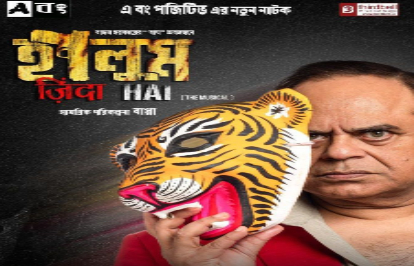
হালুম Zinda Hai
বৈদ্য বিধান

মেঘে ঢাকা ঘটক
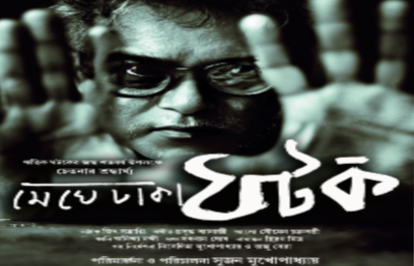
- When India gained independence from British rule, the jubilation was overshadowed by the outbreak of communal violence—a ightmarish consequence of Partition. Renowned filmmaker Ritwik Kumar Ghatak undertook the vital task of documenting this profound human catastrophe. The birth of an independent India coincided with the subcontinent’s bifurcation, triggering an exodus that left countless individuals destitute, jobless, segregated, and in dire poverty.
- The descent of the middle class into lower socioeconomic strata was not solely a repercussion of Partition; it was also compounded by the post-independence government’s policies, which were detrimental to the populace. This section will explore the enduring trauma of Partition and its representation in Ritwik Ghatak’s cinematic brilliances.
- The on-stage bio-play “Ritwik” pays a fitting tribute to the rebellious creator of Indian cinema, Ritwik Ghatak. Unlike the usual portrayal of Ghatak as a unwavering and fearless figure, this adaptation delicately explores his early years as a romantic and passionate lover of art. It delves into his journey towards a stable career in cinema after marrying his muse, Surama, and his time in Bombay before returning to Kolkata to create masterpieces like “Ajantrik,” and the Partition Trilogy; “Meghe Dhaka Tara,” “Komal Gandhar,” and “Subarnarekha,”. The play also sheds light on the real reasons behind Ghatak’s dissatisfaction and struggles with alcoholism.
- The play delves into the surreal psychological catharsis between the creator and his crafted characters, such as Bimal (Ajantrik), Nita (Meghe Dhaka tara), Sita (Subarnarekha), Bangolalona (Jukti Takko aar Gappo), and Kanchan (Bari Theke Paliye), reflecting his intellectual representation in different movies. It also highlights the sacrifice and struggle faced by Smt. Surama Ghatak throughout their time together.
- The play captures the complexities of his unstructured creativity through unique stage moments and unforgettable sequences of props-montage from his critically acclaimed movies. As a creator with a unique perspective on humanity, the climax of the play delves into a universal search left unfulfilled during his tragically short lifespan of only 51 years. A genius born, but whose full potential was hindered by hidden and unfortunate reasons. On his Birth Centenary, we express our deepest gratitude to this visionary artist.
ডানা
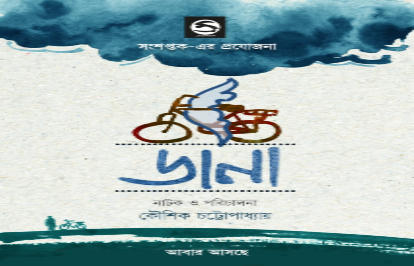
- এ সময় যেখানে প্রচলের নিয়ম মানলে তবে মানুষ সমাজে স্বীকৃত, যেখানে স্বপ্ন দেখা মানা, নিজের শেকল খুলে উড়তে চাওয়া মানা, সেখানে একজন মানুষ বাঁধ ভেঙে দেওয়ার সাহস দেখাবে কী করে? আর যদি সত্যিই সে সাহস একদিন সে পেয়ে যায়, পেয়ে যায় স্বপ্নলোকের চাবি, পেয়ে যায় তার উড়তে পারার ইচ্ছেপুরণের মন্ত্র… তখন কী হয়? কী হয়… যখন সে তার এই উড়তে শিখে যাওয়ার চাবিকাঠি দিয়ে ভেঙে দিতে চাউয় আরও অনেক স্থবির মানুষের শেকল থেকে জং ধরা তালাগুলো? সে কি পারে? এই পৃথিবী কি তাকে তা পারতে দেয়? যেখানে সকলেই খাঁচার পাখি, সেখানে এ পৃথিবী কি কোনও বনের পাখির এ স্পর্ধা মেনে নেয়?
- মানুষ বড় একলা। তার পাশে কেউ দাঁড়াক বা না-ই দাঁড়াক, সে তো খোলা আকাশে উড়তেই চায়। এ ওড়ার ফলশ্রুতি কী হবে, সমাজ তাকে মেনে নেবে কি নেবে না, তা নিয়ে তার বিন্দুমাত্র মাথাব্যথা নেই। সে কেবল নিয়মের দাসত্ব থেকে, এই একঘেয়েমির যন্ত্রণা থেকে মুক্তি চায়, সে চায় এই বস্তাপচা প্রাত্যহিকতার চাকা থেমে যাক। শুরু হোক এক নতুন যাত্রা। এ নাটকের কেন্দ্রীয় চরিত্র গোপীনাথ সামন্ত তেমনই এক স্বপ্নচারী মানুষ। এ সমাজ তাকে হয়ত উন্মাদ বলে, কিন্তু কে না জানে, প্রকৃত স্বপ্নচারীরা, শেকল ভাঙতে চাওয়া মানুষেরা আসলে তো একরকম উন্মাদই হয়। তার অস্তিত্বে সে বন্দী, কিন্তু তার সত্বায় সে স্বাধীন। গোপীনাথ এ জীবনে পার্থিবভাবে, হারিয়েছে অনেক কিছু, পায়নি আরও বেশি… কিন্তু যে আকাশের সন্ধান সে পেয়েছে, তাতেই তার মুক্তি। কৌশিক চট্টোপাধ্যায়ের এ নাটক সেই স্বপ্নের কথা বলে।
নবান্ন
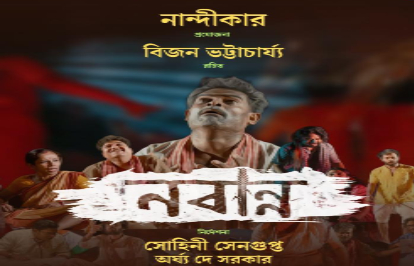
- Nabanna (New Harvest) – a Bengali cult drama was written by Bijon Bhattacharya and first staged by Indian People’s Theatre Association (IPTA). The classic play is set against the backdrop of the man-made artificial Bengal famine in 1943 that took away millions of lives due to starvation, malnutrition and the resultant diseases. The play represents the horrific reality of hunger, dehumanization and death.
- The drama revolves around the Samaddar family, headed by the old Pradhan Samaddar, a peasant in Bengal, who has been driven to near madness due to the prolonged famine and the gnawing hunger that had killed two of his sons of starvation. In addition to the highhandedness of land sharks, a tidal wave destroys the family’s crops, homes, hopes and everything.
- In a desperate bid to survive, they walk all the way from the fictional Aminpur village to Kolkata, however, the apathetic Kolkata middle-class renders them disillusioned very soon. Pradhan returns home, enraged and humiliated to join his starving fellow villagers and vows to restart a quest for dignified survival by countering their fate with a new strategy.
অনেকদিন পর

তেলেনাপোতা আবিষ্কার
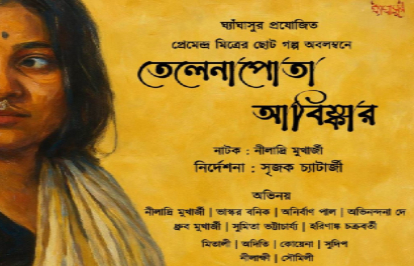
- কলকাতা থেকে তিনজন শিক্ষিত, মধ্যবিত্ত যুবক তেলেনাপোতা অভিযানে যায়। তেলেনাপোতা একটি গ্রামের নাম, কলকাতা থেকে মাত্র ত্রিশ মাইল দূরে অবস্থিত। এক-দেড়শ বছর আগে ম্যালেরিয়ার প্রকোপে গ্রামটি চলমান জীবন্ত জগত থেকে বিচ্ছিন্ন হয়ে পড়েছিল। গ্রামের বেশিরভাগ লোক এখন বাইরে চলে গেছে; নেহাত অক্ষম এবং অসমর্থ যারা তারাই এই গ্রামে রয়ে গেছে।
- তিন যুবকের মধ্যে একজন, যার নাম মণিদা, তার আদিম বাসস্থান এই তেলেনাপোতা গ্রামে। বাকি দুজন তার বন্ধু। এদের একজন নিদ্রাভিলাসী, ঘুমোতে ভালোবাসে। আরেকজন, যে এই গল্পের প্রধান পুরুষ চরিত্র, সে হল শখের মৎস্যশিকারি। বড়শি দিয়ে মাছ ধরবার লোভে তার তেলেনাপোতায় আগমন। অবশ্যই এই অভিযানের সেই মূল উদ্যোক্তা।
- তেলেনাপোতা অভিযান প্রাথমিকভাবে ব্যর্থ হয় কারণ মৎস্যশিকারি বন্ধুটি একটি মাছও ধরতে পারেনি। মাছ না পেলেও, একবার অপ্রত্যাশিতভাবে ঘাটে সে একটি মেয়েকে দেখতে পায়। সে মেয়েটি মণিদার বোনতি এবং তাদের ঘরেই দুপরেের খাবার আয়োজন হয়েছিল। তার নাম যামিনী।
- বছর কয়েক আগে নিরঞ্জন নামে এক যুবক যামিনীকে বিয়ে করার প্রতিশ্রুতি দিয়ে বিদেশে গিয়েছিল। কিন্তু সে আর ফিরে আসেনি। যামিনী জানতো সে আর ফিরে আসবে না কিন্তু যামিনীর অন্ধ, শয্যাশায়ী মা বিশ্বাস করত যে নিরঞ্জন ফিরে আসবে এবং যামিনীকে বিয়ে করবে। মণিদার সঙ্গে আসা যুবকদের একজন নিস্চয় নিরঞ্জন, এই ভেবে যামিনীর মা খুব জিদ করতে থাকে নিরঞ্জনের সঙ্গে কথা বলার জন্য। মৎস্য শিকারি বন্ধুটি স্বেচ্ছায় নিরঞ্জনের ভূমিকায় অভিনয় করে এবং যামিনীর অন্ধ মাকে কথা দেয় যে কয়েকদিন পর ফিরে এসে সে যামিনীকে বিয়ে করে নিয়ে যাবে।
- গল্পটা ভালোই এগোচ্ছিল। কিন্তু কলকাতায় ফিরে এসে সেই যুবকের ম্যালেরিয়া হয় এবং দীর্ঘ অসুস্থতার পর যখন সে সেরে ওঠে ততদিনে তেলেনাপোতার স্মৃতি ফিকে হয়ে যায়। আর যামিনী? সে হয়তো ভাঙা বুকে আবার একরাশ স্বপ্ন নিয়ে নির্জন ধানসপুরীতে বসে বসে দিন গুনতে থাকবে।
তোমাকে চাই~কবীর সুমন একক
-
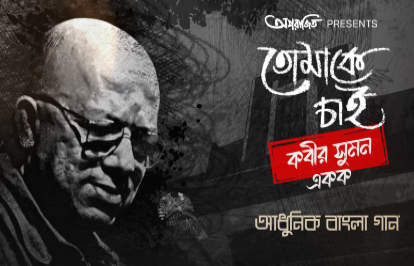
33 years of the “Tomake Chai” album, which was released in the year 1992, by Suman Chattopadhyay now Kabir Suman, which is considered a milestone and the one that changed Bengali music forever. The iconic song was initially directed towards a woman, but after a few lines got “quickly overshadowed by his[Suman’s] love for Calcutta”
- Aparajito presents Tomake Chai, Ekok Adhunik Gaan er Concert by the Legendary National Award Winner Kabir Suman. The man who performed on the same stage as Pete Seeger. Kabir brought revolutionary change in the contemporary music scenario of Bengal, which left a mark on the next generations.
- Let us walk down the memory lane with the person himself & his songs. Be a part of History!
- His lyrics & songs, which inspired a generation, include:
Tomake Chai, E tumi Kamon Tumi, Gaanola, Haal Cherona Bondhu, Petkati Chadial, Ami Chai, Jaatishwar, among the many.
Relive your memory and be a part of his musical journey. All we can say is “O Gaanola arekta Gaan Gao, Amar aar kothao jawar nei, Kichchu Koar nei….”