
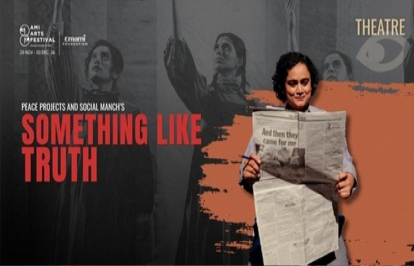
- KCC presents Something Like Truth, written by Shanta Gokhale and directed by Parna Pethe, at AMI Arts Festival 2026.
- Through four monologues spanning France, India and Sri Lanka, the play follows women navigating questions of truth, freedom, justice and personal choice within very different historical and social circumstances.
Movement and music run through the production, allowing the four stories to speak to one another across time and place. - Join us for an evening of contemporary theatre that brings individual lives into conversation with the histories around them.
Archives: Events
Papa Painter
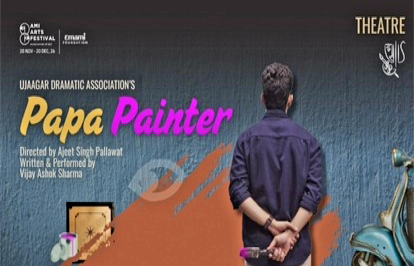
- A father, a son, and the distance that quietly grows between them.
KCC presents Papa Painter, a theatrical work set in 1990s India, where migration, memory, and change shape an intimate story of family and identity. - At its heart is a son’s journey from knowing someone simply as ‘Papa’ to discovering the person behind the word.
- Join us at AMI Arts Festival 2026 for an evening of theatre that reflects on what is often left unsaid between generations.
রাজনৈতিক হত্যা?
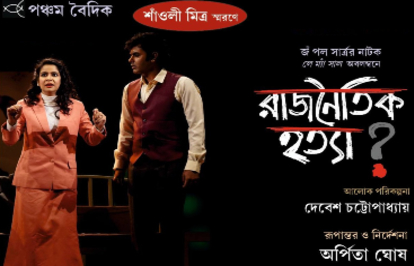
- The play originally written by Jean Paul Sartre as “Les Main Sales” (translated into English as “Crime Passionnel” by Kitty Black), revolves around a young revolutionary named Hugo who is torn between ideology and action.
- He is tasked with assassinating a party leader, Hoederer, whose pragmatic politics clash with Hugo’s purist views. But as Hugo gets closer to Hoederer, his motives blur—becoming personal as much as political.
- Hugo finally kills Hoederer, but was it purely for political reasons?
বিশ্বরূপম ১.০
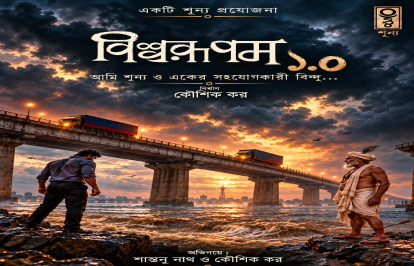
- বিশ্বরূপম মূলতঃ আদি ও বর্তমানের কর্ম,ধর্ম,কালচার,অর্থনীতি,সমাজবিজ্ঞানের একটি ডিসকোর্স।এই প্রজন্মের লড়াকু অর্জুন চক্রবর্তী বিধ্বস্ত অবস্থানে আত্মহত্যার সম্মুখীন হয়।
- আর সেইসময় অলৌকিক আবির্ভাব ঘটে তীরবিদ্ধ মৃতপ্রায় এক আগন্তুকের।যে নিজেকে কৃষ্ণ বলে পরিচয় দেয়।এরপর শুরু হয় এক অসামান্য দ্বন্দ্ব।
বিসর্জন
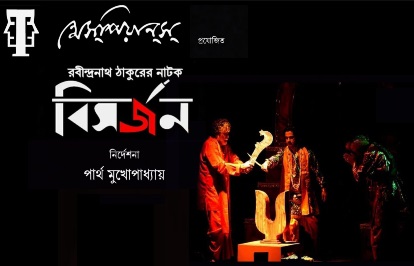
- The Scenario of the drama “BISARJAN” is the ancient kingdom of Tripura, where the main ritual of the TripureshwariTemple is Animal Sacrifice.
- The priest of the temple, who performs the religious rites, believes that this Sacrifice is the status symbol of the goddess. King Govinda Manikya Reviews the justification of this cruel act and bans Animal Sacrifice in his kingdom.
- This announcement irks Raghupati who opines that this amounts to the insult of Mother Tripureshwari. A rift emerges between the dogmatic beliefs of Raghupati and the love power of Govinda Manikya. The friction between the priest and the king puts the temple server Jaisingha in a real dilemma. He fails to understand how the Mother can accept such a cruel act in her name.
- Jaisingha realizes the evil intent when his foster father Raghupati, after being banished by the king for violating the Royal order, influences the king’s brother Nakhshatra Roy to kill Govinda Manikya. Raghupati tries to win over the faith of the citizens even by evil means and compels them to follow his false dictums.
- On the other hand king Govindamanikya is worried over the rise in the cases of violence in his kingdom. Jaisingha, with the hope to end this conflict, sacrifices his life at the feet of the goddess. This changes the mind of Raghupati. He realizes the worth of life after losing his beloved foster son, Jaisingha.
টাইপিস্ট

- Adapted by Soumitra Chatterjee from Murray Schisgal’s The Typists, and directed by Poulomi Chatterjee. Two stenographers in an office become friends over time and grow old together.
- Indrani Dasgupta is a young woman working as a typist plus supervisor in the office. A young man Aniruddha Halder joins the office as a typist. After initial introduction formalities, he reveals that he is studying law at night college and this job is temporary. He dreamt of a bright future. Indrani on the other hand lives with her mother and believes in romanticism but did not get involved in any true romantic relationship. As times passes by, they gets acquainted with each others and comes to first name terms. They discuss their lives with each other as their relationship grows while they gradually becomes old.
সত্যকারী
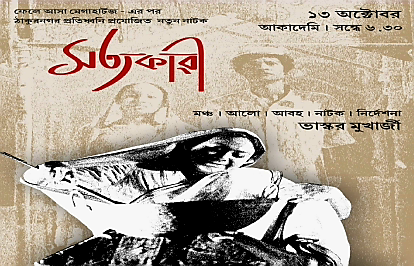
- Fifteen years old girl, Jhupni starts telling story of a village fair where her grandfather cooks the food which is offered to the God. Her grandfather gives the details history of the fair where fish is sold and fish curry is offered to God.
- In the fair the Bengal folk song ‘Kirtan’ is sung but eating the food Pradip, a leader of village folk feels sick and remember why this is happening and asks the cook to bring Labanya whose cooked food can remove Pradip’s illness.
- The two story tellers Muri and Batasa narrate how long ago a girl Labanya was born in a Bengali family who cooked mysterious food that helped everyone to speak the truth. And it’s turned into a mysterious play and revealed everything which was hide from long time.
Cast
1. বরদা – সায়ন্তন মৈত্র
2. নোটন- অলিক সাহা
3. ঝুপনি- কঙ্কনা বসাক
4. প্রদীপ- রাজু ধর
5. কিংকর- সৌম্যজিৎ দাস
6. গোপাল ভট্টাচার্য- বাপ্পাদিত্য বসু
7. মুকুলা- মিতা দাস / অঞ্জনা দে
8. মিথিলা- অনিশা দত্ত
9. প্রমিলা- বিপাশা দাস
10. লাবণ্য- মঞ্জিমা চট্টোপাধ্যায়
11. বিন্দু- কেয়া দাস
12. মাধব- অক্ষয় নারায়ণ ঝাঁ
13. মুড়ি- সুদীপ ধাড়া
14. বাতাসা – গৌরাঙ্গ মন্ডল
15. সম্ভু ও গুরুদাস -সুশান্ত বিশ্বাস
16. মালোজী- মধুশ্রী বিশ্বাস
17. নিমাই- সন্তু বিশ্বাস
18. শান্তিপ্রিয়া- শুভশ্রী বিশ্বাস
19. রঘুনাথ- স্বর্ণাভ বিশ্বাস
20. প্রতিবেশী- তনয়া বড়াই
21. আলোক শিল্পী- শুভঙ্কর দে / ভাস্কর মুখোপাধ্যায়
22. আবহ প্রক্ষেপণ – শুভজিৎ পাল
23. মঞ্চ নেপথ্য শিল্পী- সোহিন সুর,শুভম বিশ্বাস, পার্থ রায়
নাটক, আবহ, আলো, মঞ্চ, পোশাক, ও নির্দেশনা – ভাস্কর মুখার্জি
সাঁকো

- সাল ১৯৫০। ১৯৪৬ এর কুখ্যাত ক্যালকাটা কিলিং এর জ্বলন্ত স্মৃতির সাথে সদ্য ঘটে যাওয়া দেশভাগের ক্ষত তখনও দগদগে। স্বাভাবিক জীবনে ফেরার চেষ্টায় দুই বঙ্গের মানুষ। তবু তারই মধ্যে দুই বাংলার মাটিতেই আছড়ে এসে পড়ল আবার একটা দাঙ্গা।
পূর্ব বাংলা থেকে আসা সঙ্গীত প্রিয় নিরীহ মুসলমান ছেলে মহসিন গান শুনতে এসে আক্রান্ত হল এ পার বাংলায়। প্রাণ বাঁচানোর তাগিদে আশ্রয় নেওয়া আর এক সঙ্গীতপ্রেমী হিন্দু যুবক সাগরের ঘর থেকেই ধরা পড়ল সে দাঙ্গাবাজদের হাতে। তারপর ৪ বছর কেটে গেছে। ওপার বাংলায় হতভাগ্য মহসিনের আব্বা, আম্মা আর বোন এখনো প্রতীক্ষায়। এদিকে বিবেকের তাড়নায় দগ্ধ সাগর তার ভাই শঙ্করকে নিয়ে পৌঁছায় এই হতভাগ্য পরিবারের দরজায় নিজের পাপ স্খলন করতে, প্রায়শ্চিত্তের উদ্দেশ্যে, ক্ষমা প্রার্থী হয়ে। শুরু হয় ভাগ্যের অদ্ভুত পরিহাস। হত্যাকারী নয় বরং ত্রাণকর্তা হিসেবেই সাগরকে বুকে টেনে নেয় আব্বা, আম্মা আর বোন কারণ কাকতালীয় ভাবে ৪৬ এর দাঙ্গাতেও একই ভাবে মৃত্যুমুখে পড়েছিল মহসিন ওই কলকাতাতেই এবং সেবার যে হিন্দু যুবকের সাহায্যে সে প্রাণ নিয়ে ফিরতে পেরেছিল তার নামও ছিল সাগর। - এরপর একাধারে শুরু হয় সাগরের বিবেক দংশন আর অপর দিকে মহসিনের পরিবারের তরফ থেকে স্নেহের বর্ষণ। অবশেষে সকল বিভ্রান্তি কাটিয়ে সাগর তার পাপ স্বীকার করে মহসিনের বোন জবার কাছে এবং সাগরকে হতবাক করে জবা ক্ষমা করে দেয় শুধুমাত্র ভালবাসার জোরে বা বলা ভালো জীবিতদের প্রতি ভালবাসার জোরে। সেই আলোতে সাগর দেখতে পায় হিংসা ও ধর্মান্ধতার উর্ধ্বে জেগে থাকা সুবিশাল অখণ্ড এক জাতিকে যারা বেঁধে আছে একটাই সাধারণ সূত্রে-তারা বাঙালী, তাদের মাতৃভাষা বাংলা। মধ্যে বয়ে যাওয়া পদ্মা বা সীমান্তে নতুন গজিয়ে ওঠা কোন কাঁটাতারের সাধ্য নেই যা ছিন্ন করবার।
- পরিশেষে সকল সঙ্কীর্ণতা কাটিয়ে হিন্দু বাঙালী যুবক সাগর, বাংলাদেশী মুসলিম যুবতী গুলশান বানু ওরফে জবার হাত ধরে ঝাঁপ দেয় এক বাংলার দাবিতে। পেছনে পড়ে থাকে কিছু মানুষ যারা আগে হিন্দু,আগে মুসলিম তারপর বাঙালী। যারা পাশাপাশি বাস করতে হয়তো তৈরি কিন্তু এক হতে আজও তৈরি নন।
2034
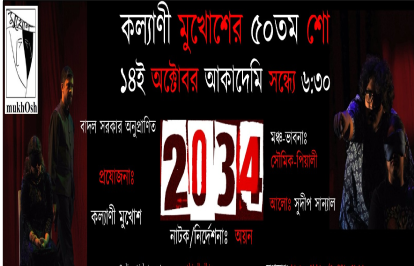
- 2034 is a play that anticipates the future through the veneer of a magic show that is suddenly drawn into the jaws of a strange reality – a reality unknown to the audience which – when it saw the events unfold on stage initially, had no inkling about the world that the magicians and the other characters actually occupied.
- It is inspired by a play of yore – written by Badal Sarkar – the theatre magician who gave India ‘Evam Indrajit’ – possibly the first play which introduced Indian theatre to the western genres of absurdist and minimalist theatre.
- 2034 contains Sarkar’s signature effects – a theatre in direct contact with the audience with the magician Moinak interacting with some of them at the beginning as part of his magic show – but it is not third theatre, for the rest of the play unfolds on stage, and at the end, transports the audience into a reality they might not have anticipated amidst the ambience of breezy light humour which envelopes the play almost throughout its duration.
- Moinak and Niharika are a famous magician couple whose ‘MN Magic’ is renowned around the world, specifically for a fantastic thought-reading act which Niharika performs live on stage. The play starts with this act in the form of a direct interaction with the audience, and then proceeds with the happenings after the end of the magic show – where the magicians and their teenage son analyse the day’s performance. In comes the manager of the auditorium – a jovial man – who, after a bout of banter with the magicians, announces that Mr. Mallik would like to meet them.
- The couple scoff at the possibility of a meeting after a long and tiring day, but are told that this is the one and only Narottam Mallik – a man famous throughout the land by his influence on how it is run – so that the couple really have no choice about the meeting. Moinak and Niharika are then subjected to a discourse with Mr. Mallik who is eager to judge Niharika’s abilities in his own terms, since he thinks that these abilities would be useful to him.
- Thus commences Niharika’s test. Would she – with Moinak’s help – be able to read the iron mind of Mr. Mallik? The play twists and turns unpredictably, and finally reaches its unique conclusion – quite unfathomable from the perspective with which it began.
অসুর
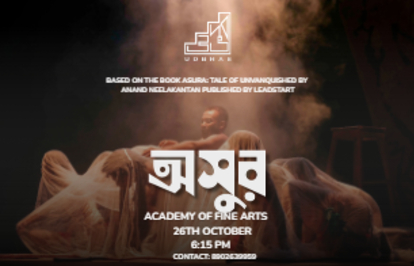
- Based on the novel Asura: The tale of unvanquished by Anand Neelakantan published by Leadstart, our play implores into the perspective of the Asuras and their leader Ravana in the tale of Ramayan.
- The play seeks the answer to a bigger question transcending the ideas of Good and evil.
- Playwright and director :Aratrick
- Choreography: Mayukh
- Lights: Pallab
- Music: Sohom and Saswaa