Amidst the harsh and rugged landscape of Jharkhand, this story begins in a solitary bungalow. Bimal Gupta, the local security manager, and his wife Karuna live there.
Their household is managed by a lower-caste slum-dwelling couple, Budhiya and his wife Phulki. Phulki, at times, also becomes a companion to the lonely Karuna.
One stormy night, Bimal brings home a stranded traveler from Kolkata — a writer and screenwriter named Amitabh Roy. What Bimal doesn’t know is that Amitabh is Karuna’s former lover, a detail Karuna keeps hidden from him.
While Bimal continues his cheerful, carefree chatter, under the surface, unresolved tension simmers between Amitabh and Karuna.
Amidst this, Pyarelal, a staff member from the slum, ends up committing a murder. This incident leads to police intervention and political pressure, dragging Bimal into deep trouble.
A conflict brews not just outside, but also between Amitabh and Bimal. Where Pyarelal could express his love boldly, Bimal and Amitabh fall short — trapped in their own emotional limitations, both ultimately reveal their cowardice.
In the end, all that remains is Karuna, surrounded by helplessness, the wilderness of hills and forests, and her quiet companion, Phulki.
Cast
Bimal Gupta– Sanjeev Sarkar
Karuna– Bindia Ghosh
Amitabh– Sekhar Samaddar
Budhiya– Sourav Mandal
Phulki– Kaberi Maity
Production Team
Art Work – Anupam Dasgupta
Stage Design– Debabrata Maity
Music – Gautam Ghosh
Light– Sudip Sanyal
Makeup– Sanjay Pal
Set Construction– Madan Haldar
Sound Projection– Swapan Bandopadhyay
Photography– Sandeep Kumar
Production Management– Swapan Raychaudhuri, Atanu Roy
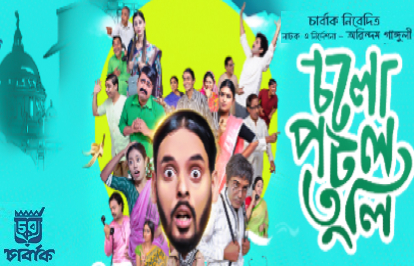
নাটকের কেন্দ্রবিন্দু হচ্ছেন এক বাতিকগ্রস্ত যুবক, যার পাশের বাড়ীতে ‘বেরি-বেরি’ রোগ হয়েছে শুনে সে স্বার্থপরের জীবনযাপন শুরু করে।
সে নানান উপায়ে সেই রোগকে নিজের বাড়ীতে ঢোকার প্রতিরোধ করে চলে, যে উপায়গুলি তার আত্মীয়স্বজন বা বন্ধুবান্ধবের একেবারেই অপছন্দের। কিন্তু এই যুবকের আত্মকেন্দ্রিকতা তাকে বিভিন্ন হাস্যকর পরিস্থিতির মধ্যে এনে ফেলে।
দেরীতে হলেও, শেষে সে বুঝতে পারে নিজের ভুল, কিন্তু ততক্ষণে সেই যুবকের শত্রুর সংখ্যা অনেক বৃদ্ধি পেয়েছে। দেদার হাসির আড়ালে মূল বক্তব্য হল- ‘স্বার্থসর্বস্ব হয়ে বেঁচে থাকলে একা হয়ে যেতে হয়। সকলকে নিয়ে একসঙ্গে বাঁচার নাম হল জীবন’।
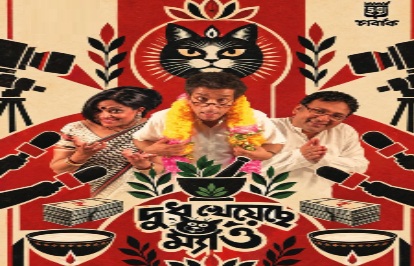
দুধ খেয়েছে ম্যাও একটি অত্যন্ত জনপ্রিয় এবং কালজয়ী রাজনৈতিক ব্যঙ্গাত্মক (political satire) নাটক
এই নাটকের অন্যতম প্রধান চরিত্র ‘বসন্ত কবিরাজ ’, যা মঞ্চে অসামান্য দক্ষতায় ফুটিয়ে তুলেছিলেন প্রখ্যাত অভিনেতা সব্যসাচী চক্রবর্তী। এছাড়া অন্যান্য গুরুত্বপূর্ণ চরিত্রে অভিনয় করেছেন খেয়ালী দস্তীদার এবং অরিন্দম গাঙ্গুলী নিজে
নাটকটি দর্শক মহলে এতটাই সমাদৃত হয়েছিল যে এর ২৫০টিরও বেশি শো মঞ্চস্থ হয়েছে
এটি একটি অত্যন্ত হাসির নাটক হলেও এর অন্তরালে সমসাময়িক রাজনীতি এবং সমাজের এক তীব্র ব্যঙ্গাত্মক চিত্র তুলে ধরা হয়েছে
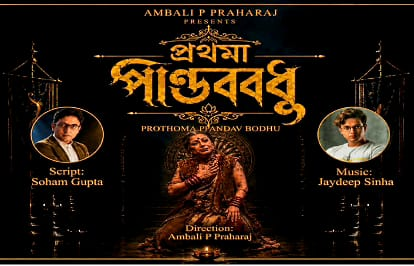
Prothoma Ppandav Bodhu tells the untold story of Hidimbi, Bhima’s first wife and the eldest bride of the Pandava clan.
A tale of love, motherhood, sacrifice and loneliness, it explores her struggle against social prejudice and her journey from a forest woman to a warrior-mother.
Through Ghatotkacha’s birth and sacrifice, Hidimbi’s love and suffering become an unforgettable chapter of the Mahabharata.
It is a story of a woman history almost forgot—but who deserves to be remembered.
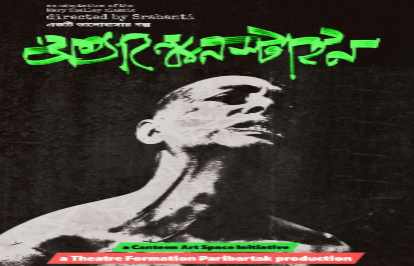
ভিক্টর ফ্র্যাঙ্কেনস্টাইন একজন বিজ্ঞানী, যিনি মৃতদেহের বিভিন্ন অংশ দিয়ে একটি বীভৎস, জীবন্ত প্রাণী তৈরি করেন। শুরুতে প্রাণীটি স্নেহ চেয়েছিল, কিন্তু প্রত্যাখ্যান ও ভয় পাওয়ার পর সে প্রতিহিংসাপরায়ণ হয়ে ওঠে, যা স্রষ্টা এবং সৃষ্টি উভয়ের জন্যই বিয়োগান্তক পরিণতি ডেকে আনে। এই উপন্যাসের আরেকটি নাম ছিল “দ্য মডার্ন প্রমিথিউস”। নাটকটিতেও ভালোবাসার ছোঁয়া দিয়ে একই কাহিনীরেখা রয়েছে। নাটকটি প্রতিটি চরিত্রের, বিশেষ করে ভিক্টর ফ্র্যাঙ্কেনস্টাইন ও প্রাণীটির দৃষ্টিকোণ থেকে ভালোবাসার ধারণাকে তুলে ধরে। নিজের স্রষ্টার দ্বারা প্রত্যাখ্যাত হওয়ার যন্ত্রণা এবং এই পৃথিবীতে টিকে থাকার জন্য প্রাণীটির সংগ্রাম নাটকে অত্যন্ত সুন্দরভাবে দেখানো হয়েছে। পরিত্যক্তদের বেঁচে থাকার সংগ্রামই নাটকের কেন্দ্রীয় বিষয়।
মৃতকে প্রাণ দেওয়ার জন্য ভিক্টরের অহংকার এবং নিজেকে ঈশ্বরের সঙ্গে তুলনা করা দেখায় যে কীভাবে অহংকার তার নিজের এবং তার প্রিয়জনদের ধ্বংসের কারণ হতে পারে। ভিক্টরের খোঁজ এবং প্রাণীটির দ্বারা সংঘটিত অনিচ্ছাকৃত মৃত্যুগুলো কাহিনীকে গঠন করে। এলিজাবেথ ও ডিলেসির সঙ্গে ভালো সম্পর্ক থাকা সত্ত্বেও, প্রাণীটির কাজ তাদের মৃত্যুর কারণ হয়। এমনকি উইলির (উপন্যাসে উইলিয়াম) মৃত্যুও অনিচ্ছাকৃত ছিল।
নাটকটি এমন একটি আহ্বানের মাধ্যমে শেষ হয় যা সমস্ত পরিত্যক্ত এবং যারা বেঁচে থাকার জন্য সংগ্রাম করে তাদের বেঁচে থাকার সমান অধিকার দাবি করে। বেঁচে থাকা ও টিকে থাকার এই আহ্বান জানায় প্রাণীটি নিজেই, যে সমাজ দ্বারা পরিত্যক্ত।
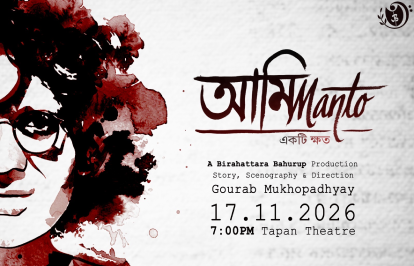
উর্দু সাহিত্যের অন্যতম শ্রেষ্ঠ লেখক। ছোট গল্পের জাদুকর। যার কলম তরোয়ালের থেকেও তীক্ষ্ণ।
একজন মানুষ। একজন লেখক। আর তাঁর ভিতরে চলতে থাকা এক অসমাপ্ত দ্বন্দ্ব। সমাজ নিয়ে। পরিবার নিয়ে। বন্ধুত্ব নিয়ে। কাজ নিয়ে।
দেশ ভাগের ক্ষত এবং সমাজের অন্ধকার দিক প্রভাব ফেলেছে মান্টোর ব্যক্তিগত জীবনে। কল্পনা ও বাস্তবের ক্ষীণ দাগটি যেন মুছে যায় তার লেখায়। তাঁর ব্যক্তিগত জীবন হয়ে ওঠে প্রতিবাদের মাধ্যম।
কিন্তু মান্টো কোনও একজন নন। মান্টো আমরা সবাই। মান্টো আমি। আমি মান্টো।
দেশভাগের অস্থির সময়, সমাজের নিষ্ঠুর বাস্তবতা এবং নিজের জীবনের টানাপোড়েনের মধ্যে সাদাত হাসান মান্টো ক্রমশ মুখোমুখি হন এমন কিছু সত্যের যা অনিবার্য। কিন্তু অপ্রত্যাশিত।
কিন্তু সময়ের সঙ্গে প্রশ্নটা বদলে যায়—মান্টো নিজে কি তাঁর গল্প লিখছেন, নাকি গল্পগুলোই লিখে চলেছে তাঁর করুন পরিণতি?
ভালোবাসা, ক্ষয়, অপরাধবোধ, সমাজের চোখ এবং একজন লেখকের শেষ লড়াই—সব মিলিয়ে “আমি MANTO” খোঁজে সেই সীমারেখা, যেখানে একজন লেখক শেষ হয়ে যায় কিন্তু একজন মানুষ থেকে যায় সর্বকালের জন্য।
শেষ পর্যন্ত কে বেঁচে থাকে? সাদাত হাসান, নাকি MANTO?
Cast & Crew
Light By Saikat Manna
Music By Ananya Sarkar
Music Team Ananya Sarkar, Shibam Dey, Porshia Choudhury, Sayan Sen
Production Control Subhojit Das
Costume & Props by Sreya Das Thakur, Sonam Sikdar, Deepshikha Banerjee
Set Design by Joy Bhattacharjee, Shriparna Jha & Sarup Karmakar
Audio Operator Jayanta Chakraborty, Ramen Saha & Sarup
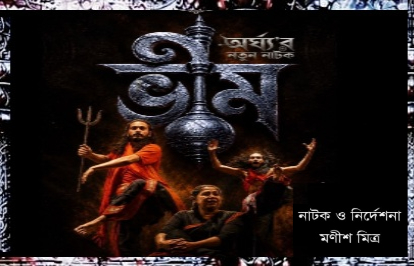
ভীম তাই শুধু এক বীরের কাহিনি নয়; এটি শক্তি, দায়িত্ব, নিঃসঙ্গতা এবং মানবিকতার এক গভীর নাট্যযাত্রা
ভীম একটি মহাভারত ভিত্তিক নাট্যআখ্যান, যেখানে মহাভারতের মহাবীর ভীমকে শুধু অসীম শক্তির যোদ্ধা হিসেবে নয়, বরং এক গভীর মানবিক, একাকী এবং দায়িত্ববোধে জর্জরিত মানুষ হিসেবে দেখা হয়।
নাটকটি ভীমের নিজের বয়ানে এগিয়ে চলে। তাঁর জন্ম থেকে কুরুক্ষেত্রের যুদ্ধ পর্যন্ত জীবনের প্রধান ঘটনাগুলি—হস্তিনাপুরে শৈশব, দুর্যোধনের ষড়যন্ত্র, লক্ষাগৃহ, হিড়িম্বা, বকাসুর বধ, দ্রৌপদীর স্বয়ংবর, পাশা সভার অপমান, বনবাস, এবং শেষ পর্যন্ত কুরুক্ষেত্রের রণক্ষেত্র—স্মৃতি ও অনুভবের মধ্য দিয়ে পুনরায় জীবন্ত হয়ে ওঠে।
এই আখ্যানে ভীম কেবল বীর নন; তিনি এমন এক মানুষ, যিনি বারবার নিজের পরিবারকে রক্ষা করেছেন, অথচ নিজের বেদনা প্রকাশের সুযোগ খুব কমই পেয়েছেন। শক্তির আড়ালে লুকিয়ে থাকা তাঁর নিঃসঙ্গতা, ক্রোধ, প্রেম, আনুগত্য এবং অন্তর্দ্বন্দ্বই নাটকের মূল বিষয়।
কুটিয়াট্টম, কথাকলি, যক্ষগান, ছৌ এবং সমকালীন শারীরিক অভিনয়-ভাষার সংমিশ্রণে নির্মিত এই প্রযোজনা মহাভারতের পরিচিত ঘটনাগুলিকে এক নতুন দৃষ্টিকোণ থেকে দেখার চেষ্টা করে।
এখানে ভীম কেবল একজন পৌরাণিক নায়ক নন—তিনি মানুষের ভিতরে লুকিয়ে থাকা সেই শক্তির প্রতীক, যে অন্যের ভার বহন করে, অন্যকে রক্ষা করে, অথচ নিজের ক্ষত নিয়ে নীরবে পথ চলে।