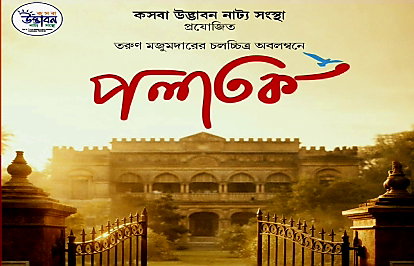
বসন্ত চট্টোপাধ্যায়ের স্বভাবে ভবঘুরে, উড়নচণ্ডি। সানকিভাঙার প্রতিপত্তিসম্পন্ন জমিদার আংটি চট্টোপাধ্যায়ের ভাই সে। তা সত্ত্বেও সে অর্থের প্রতি উদাসীন, উচ্চ-নীচের সঙ্গে অবাধে মেলামেশা করে, গানের মাতাল সুর তাকে উদাসী, বিবাগী করে ঘরছাড়া করে। সংসারের বাঁধন ছিন্ন করে সে বেরিয়ে পড়ে অনির্দেশ্যের উদ্দেশে।
যেখানে ভালোবাসা পায়, সেখানেই নিজেকে বিলিয়ে দেয়। কয়েক দিনের জন্য শিকড় গাড়ে, কিন্তু মায়ায় জড়ানোর আগেই আবার শিকড় উপড়ে নিজেকে ছিন্নমূল করে ফেলে। এ ভাবেই ঘুরতে ঘুরতে একদিন এসে হাজির হয় বংশীপুর গ্রামে। গ্রামের যাত্রার দল, ঝুমুর দলের সঙ্গে পাকেচক্রে জড়িয়ে পড়ে বসন্ত। কলঙ্কের হাত থেকে বাঁচাতে কবিরাজের মেয়ে হরিমতীকে বিয়ে করতে বাধ্য হয়। নতুন বৌ নিয়ে ফিরে আসে নিজের ভিটে সানকিভাঙায়।
কিন্তু আবার পথের টানে নিরুদ্দেশ হয় বসন্ত। পিছনে পড়ে থাকে স্ত্রী। জানতেও পারে না, যে হরিমতী গর্ভবতী। শারীরিক অযত্নে, দীর্ঘ অত্যাচারে মারণ রোগ বাসা বাঁধে বসন্তের শরীরে। ঘটনাচক্রে পূর্বপরিচিত ঝুমুর দলেই আশ্রয় জোটে তার। অন্নপ্রাশন উপলক্ষে সে দল বায়না পায় সানকিভাঙার জমিদার বাড়িতে।
সেখানেই বসন্ত প্রথম জানতে পারে তার সন্তানের কথা। এবং সেই সন্তান প্রসব করতে গিয়েই মারা গিয়েছে তার স্ত্রী হরিমতী। এ অভিঘাত সামলাতে পারে না বসন্ত। আবার সে নদীতে ভেসে পড়ে। নৌকায় চড়ে পালাতে যায়। গভীর শোকে নদীর বুকেই মারা যায় বসন্ত।
When India gained independence from British rule, the jubilation was overshadowed by the outbreak of communal violence—a ightmarish consequence of Partition. Renowned filmmaker Ritwik Kumar Ghatak undertook the vital task of documenting this profound human catastrophe. The birth of an independent India coincided with the subcontinent’s bifurcation, triggering an exodus that left countless individuals destitute, jobless, segregated, and in dire poverty.
The descent of the middle class into lower socioeconomic strata was not solely a repercussion of Partition; it was also compounded by the post-independence government’s policies, which were detrimental to the populace. This section will explore the enduring trauma of Partition and its representation in Ritwik Ghatak’s cinematic brilliances.
The on-stage bio-play “Ritwik” pays a fitting tribute to the rebellious creator of Indian cinema, Ritwik Ghatak. Unlike the usual portrayal of Ghatak as a unwavering and fearless figure, this adaptation delicately explores his early years as a romantic and passionate lover of art. It delves into his journey towards a stable career in cinema after marrying his muse, Surama, and his time in Bombay before returning to Kolkata to create masterpieces like “Ajantrik,” and the Partition Trilogy; “Meghe Dhaka Tara,” “Komal Gandhar,” and “Subarnarekha,”. The play also sheds light on the real reasons behind Ghatak’s dissatisfaction and struggles with alcoholism.
The play delves into the surreal psychological catharsis between the creator and his crafted characters, such as Bimal (Ajantrik), Nita (Meghe Dhaka tara), Sita (Subarnarekha), Bangolalona (Jukti Takko aar Gappo), and Kanchan (Bari Theke Paliye), reflecting his intellectual representation in different movies. It also highlights the sacrifice and struggle faced by Smt. Surama Ghatak throughout their time together.
The play captures the complexities of his unstructured creativity through unique stage moments and unforgettable sequences of props-montage from his critically acclaimed movies. As a creator with a unique perspective on humanity, the climax of the play delves into a universal search left unfulfilled during his tragically short lifespan of only 51 years. A genius born, but whose full potential was hindered by hidden and unfortunate reasons. On his Birth Centenary, we express our deepest gratitude to this visionary artist.
This play won five awards (i.e. Best Production, Best Script, Best Actor in a Leading role, Best Actress in a Supporting role, Best Stage Design) at the 2025 Mahindra Excellence in Theatre Awards (META).
The drama revolves around the most colorful, diverse and omnipresent character of Indian culture, Shri Krishna. However, here Shri Krishna is not the God. Here he is absolutely human. A man of flesh and blood. ‘Lonely God’ describes the conflict between the divine life of Shri Krishna, his great and incredible career on the one hand and his purely human will, the indomitable desire of his mind, the independent attitude of his heart, the urge of liberation… on the other. Somewhere, against his own infallible words “Ma Phaleshu Kadachana…”, a repressed lonely man emerges from within him.
ACTORS: Suman Saha & Chandrani Sarkar
LIVE MUSICIANS:
Dr. Suvasis Sarkar in Rhythm
Mr. Jaydeep Sinha in Vocal & Harmonium
Ms. Jayeeta Chakraborty in Violin & Supporting Vocal
Ms. Sanchari Mukherjee in Supporting Percussion & Supporting Vocal
SCRIPT :Mr. Suman Saha & Mr. Soham Gupta
MUSIC DIRECTION: Dr. Suvasis Sarkar & Mr. Jaydeep Sinha
নাটকের গল্পে দেখা যায়, নিঝুম রাতে গ্রামের আলপথ ধরে কাঁপা গলায় গান গাইতে গাইতে এগিয়ে আসছে হাবলা জনার্দন। হঠাৎ তার আর্তচিৎকারে কেঁপে ওঠে বিলের চারধার। যেন বিষাক্ত সাপ ছোবল দিয়েছে। জনার্দন চিৎকার করে দৌড়ে ছুটে যায় এক লন্ঠনের আলো বরাবর। যেখানে বসে আছে একজন। জনার্দন তার কাছে যতই সাহায্য চায় সে ফিরে তাকায় না বরং ইশারায় চলে যেতে বলে। হাবলা জনার্দন ইশারা বোঝে না। সে ক্ষতের জ্বালায় গ্রামের জোয়ার্দার নবকৃষ্ণ বাবুর কুকীর্তির বয়ান ক্রমাগত পেশ করতে থাকে। এই নবকৃষ্ণের জন্যই তিন বছর লালন পালন করা গাই গরু আজ কসাইয়ের কাছে তুলে দিতে বাধ্য হয়েছে সে। নয়তো এই গরু নিজের বলে বাড়ি নিয়ে যেত নবকৃষ্ণ।
সাল ১৯৭৭। স্থান কলকাতা। পশ্চিমবঙ্গের মসনদে সবেমাত্র বসেছে এক নতুন সরকার। কলকাতার স্মৃতিতে নকশাল আন্দোলনের দগদগে বাস্তবতা তখনও জ্বলজ্বল করছে। পেলে একদিকে মোহনবাগানের বিরুদ্ধে খেলছেন, অন্যদিকে নিত্যনিয়মিত কল কারখানা বন্ধ হয়ে যাচ্ছে। বেকারের সংখ্যা দিন দিন বাড়ছে। সময়ের ক্ষতে জর্জরিত এই কলকাতা মনোজ মিত্রের ‘পাখি’ নাটকের পটভূমি।
নীতীশ এক নিম্নমধ্যবিত্ত সেলস রিপ্রেজেন্টেটিভ। সামান্য কিছু হ্যারিকেন বেচে সে যে কটা টাকা পায় তাতে ন্যূনতম বিলাসিতার সুযোগ থাকে না। কিন্তু সে স্বপ্ন দেখা ছাড়ে না। জীবন তাকে যতই নিত্য নতুন বাধাবিপত্তির সম্মুখীন করে, ততই সে মরিয়া হয়ে ওঠে সুখের খোঁজে, ‘বাড়ি’র খোঁজে। কিন্তু তার ‘বাড়ি’ কোথায়?
তার স্ত্রী শ্যামা তাদের ‘নুন আনতে পান্তা ফুরোয়’ জীবনে ম্যারেজ এনিভার্সারী পালনের ‘পাগলামি’ দেখে রেগে যায়, বিরক্ত হয়। কিন্তু সেও কি তার ‘বাড়ি’ খুঁজছে?
Based on Swami Vivekananda’s life, ideals and teachings
The plot of the story takes us through the journey of Bile to Naren to Swami Vivekananda. The story discovers the trail of difference of opinion between Naren and his guru, Sri, Ramakrishna. As it moves further and Naren grows older, it becomes obvious to him that the world isn’t as simple as it should really be.
Hence, he sets off on a path to salvation, a desperate attempt to reach an epitome of peaceful living that the society has disregarded all this while. He faces quite a few challenges and the play describes these with utter intricacy. By the end of the play, the audience is given a broad-minded approach to what Swami Vivekananda has tried to overcome, change and abolish in the society we currently live in.
It is a hilarious and farcical exploration of hypocrisy and marital infidelity. The play’s central premise revolves around a burglar who finds himself in an absurd and increasingly complicated situation.
The story begins with a burglar breaking into an apartment. However, his plans for a simple robbery are immediately complicated when he discovers he’s not alone, but to face with two sets of cheating partners. He is forced to act as a go-between and a peacemaker, attempting to keep the multiple affairs a secret from the husband.
The play’s humour comes from the burglar’s moral dilemma and his attempts to navigate the tangled web of lies. He is an outsider who, by a strange twist of fate, becomes the moral compass of the household, even as he is committing a crime.
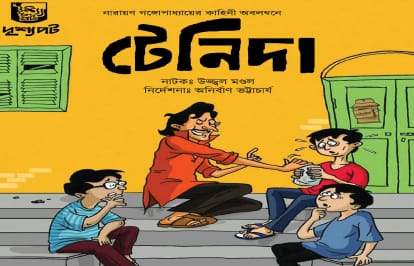
“Teni”, a thin young man is surrounded by his three followers Kyabla, Habul and the story teller Palaram usually sit at a local point and Teni tries to take an upper hand regarding every facet of life. To substantiate Teni tells ghostly and unbelievable stories and becomes a BOSS.
Some stories as told by Teni are knitted in terms of slapstick comedy bringing a lot of queer characters. The story melts down in a adventurous detective plot and this gang of four encounter a series of fun-packed episodes. The plot has a soft and subtle love-story also. It is a fascinating charm to see this comical Teni to try to make love with a tough young lady. Hilarious attitude, fun comical twists, peculiar characters and Teni da bubbles a narrative of fun.