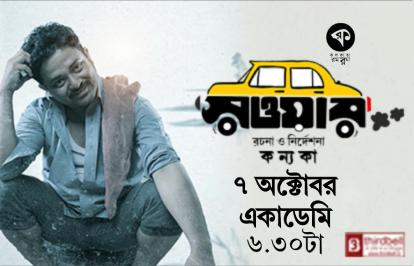
এ গল্প জন্ম জন্মান্তরের। ধর্মকে হাতিয়ার করে মালিকদের প্রতিপত্তির চেষ্টা বনাম সাধারণ মানুষদের ভিটে আঁকড়ে পড়ে থাকার জেদ। সুখের অলীক স্বপ্নে উপেক্ষিত হওয়া আর তারপর অনন্ত দুঃখকে সম্বল করে বেঁচে থাকার চেষ্টা।
আর সেই চেষ্টা চালিয়ে যাওয়া কিছু মানুষ, বাঁশির ক্ষীণ হয়ে আসা সুর, ইছামতীর ফিরে ফিরে আসা ঢেউ আর অচল অকেজো এক হলুদ ট্যাক্সি- এই নিয়ে তৈরী এক ফেলে আসা জন্মের স্মৃতির নাম ‘সওয়ার’।
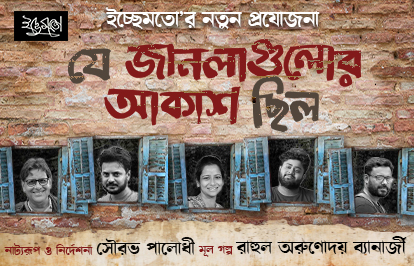
কলকাতার আনাচে কানাচে এখনো লুকিয়ে আছে পুরোনো পুরোনো গন্ধ আর কিছু ফেলে আসা বন্ধুত্ব । এই নাটকও সেই পুরোনো কলকাতার বন্ধুত্ব প্রেম আর তার সাথে জড়িয়ে থাকা মান অভিমান রাজনীতি পারিপার্শ্বিক উত্থান পতনের কাহিনি । দক্ষিণ কলকাতার কলোনি পাড়ার ৪ বন্ধু সোমা, টুবাই, বুবান এবং তাতিন ।
৯০-এর দশকে তাদের বেড়ে ওঠা। কলোনির আন্তরিকতা, প্রতিটা পরিবারের একসাথে মিলেমিশে দিন যাপন , বিপদে আপদে পাশে থাকার শিক্ষায় তারা শিক্ষিত ।
সময় এগোতে থাকে বড় হয়ে ওঠার সাথে সাথে তাদের মানা-না মানা, বিশ্বাস-অবিশ্বাস, রাজনৈতিক, সামাজিক মতাদর্শ যেন দূরে ঠেলতে শুরু করে ছোটবেলার বন্ধুদের একে অপরের থেকে। শেষে আবার কোনো এক পাড়ার চায়ের দোকানে এক হতে পারবে তারা? নাকি যে জানলাগুলোর আকাশ ছিলো, তাদের পাল্লা গুলো চিরতরে বন্ধই থেকে যাবে?
A city steeped in nostalgia and matured in the heritage of poetry and revolution, our play has its inception in its street corners. A tale which is inseminated in the heady brew of friendship, romance, heartbreaks, and the political ebbs and flows, the magical amniotic fluid that is our Calcutta.
Our story sets off in the 90s,in the southern corner of The City. A narrative that pivots around four friends; Soma, Tubai, Buban and Tatin. Their growing up, their dreams, beliefs and aspirations. How they evolve through the adventures revolving around their intertwined lives in the colony they lived in. How time in its ruthlessness, and how, the development of their own political and moral ideologies put their friendship to test.
Will they be able to come together as one again, meet at the same old haunts where they once left each other. Will they be able to open those windows again; the ones that gave them the access to wide blue yonder.
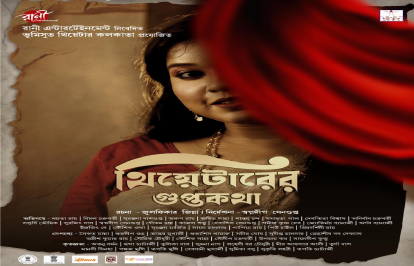
‘থিয়েটারেএ গুপ্তকথা’ নাটক দেখলেই মনে হবে আমরা যেন পুরনো কলকাতার গলি ধরে হাঁটছি। উত্তর কলকাতার সেই থিয়েটারপাড়া আজও যেন এক জীবন্ত স্মৃতিফলক, যেখানে প্রতিটি ইট, প্রতিটি গলি, প্রতিটি চায়ের দোকান জানে বাংলা নাটকের অজস্র জন্মকথা!
এক হারিয়ে যাওয়া সময়ের গন্ধে আবেশিত ‘থিয়েটারের গুপ্তকথা’। এই নাটকের মুখোমুখি হলেই চিৎপুরের থিয়েটারপাড়া, গ্যাসবাতির আলো, ঘোড়ার গাড়ির শব্দ, সাজঘরের ব্যস্ততা—সব মিলিয়ে এক হারিয়ে যাওয়া পৃথিবী ফিরে আসে। ‘থিয়েটারের গুপ্তকথা’ শুধু একটি নাটক নয়, উত্তর কলকাতার নাট্যস্মৃতির পুনর্জন্ম।
সময়ের ব্যবধানে গ্যাসবাতির আলো মুছে গেছে, বদলে গেছে শহরের মুখ; তবু উত্তর কলকাতার থিয়েটারপাড়ায় কান পাতলে আজও শোনা যায়— কোনো এক অসমাপ্ত সংলাপের প্রতিধ্বনি, কোনো এক যবনিকা পতনের দীর্ঘশ্বাস!
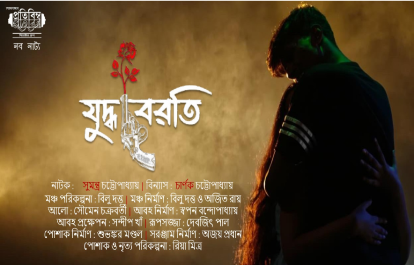
এই দামাল, বিশৃখল ও উত্তাল পরিস্থিতিতে দাঁড়িয়ে আমরা কত দিন স্বপ্ন দেখতে পারবো জানি না, তবে যতদিন দেহে প্রাণ থাকবে, মাটির সোঁদা গন্ধ থাকবে, আকাশে ঝাঁক বেঁধে পাখিরা উড়বে, সবুজ গাছে নতুন অঙ্কুর আসবে ততদিন আমরা ভালোবেসে যাবো, বাতাসে বারুদের গন্ধ যতই ছড়িয়ে পরে আমাদের শ্বাস রোধ করে দিক, তবু আমাদের ভালোবাসার লড়াই জারি থাকবে, হয়তো ভাবীকালে তুমি বা আমি থাকবো না, কিন্তু আগামীর প্রজন্ম থাকবে, যারা প্রশ্ন করবে, উত্তর খুঁজবে আরো জটিল সময় দাঁড়িয়ে, তখন যেন আমাদের ভালোবাসা ও সাহস তাদের প্রেরণা যোগায়, তাই এই ‘যুদ্ধ বিরতি’ সময় বারুদের স্তুপের ওপর দাঁড়িয়ে আগামীদের জন্য আবার ভালোবাসার আহ্বান রইলো
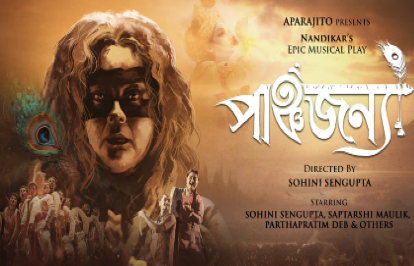
Before Mahalaya Aparajito presents Nandikar’s New Epic Musical Drama Panchajanya.
The Kurukshetra War has just ended. Gandhari, after losing her hundred sons, is a much-grieved lady. She holds Krishna responsible for her misery. Radha asks Krishna why, despite being the most powerful person in India, Krishna cannot confide in anyone. Krishna tells his side of the story.
As the story unfolds we see how Krishna, the young shepherd boy, is always trusted by people around him to be their savior. How every time it is Krishna who has to take a strong – and sometimes not pleasing-for-all stand to ensure justice. How Krishna must sacrifice his personal life to establish the rule of Dharma. How Krishna merely becomes an instrument of justice. How destiny takes over his life. But can Krishna, who has been the symbol of love, allow destiny to take away all that is tender in him?
Can a commitment to the state be greater than a commitment to human values? How does a responsible man choose? Can a responsible man choose? Can war bring peace?