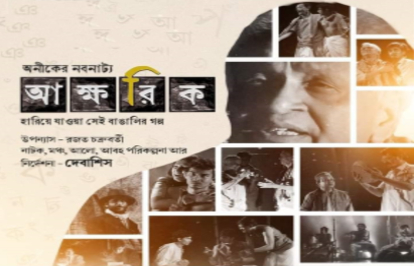
“আক্ষরিক” ~ ইতিহাসকে ফিরে দেখা,স্বীকৃতি পাওয়া না পাওয়ার কথা
বাংলা ভাষার প্রথম অক্ষরশিল্পীর নাম পঞ্চানন কর্মকার। যদিও বাংলা মুদ্রণযোগ্য সামঞ্জস্যপূর্ণ হরফছাঁদ তৈরির উদ্যোগ নিয়েছিল বৃটিশরা, মূলতঃ ধর্মপ্রচার, বানিজ্য ও শাসনের জন্য। ন্যাথানিয়াল ব্রাসো হালহেড ও চার্লস উইলকিন্স ছিলেন অগ্রনী। কিন্তু সুসমঞ্জস শৈল্পিক হরফছাঁদ নির্মাণের অক্ষরশিল্পী পঞ্চানন কর্মকারের নাম অনুল্লেখ থেকে গেল সচল-হরফ নির্মাণের ইতিহাসে।
শিল্পী পঞ্চানন ১৭৭৫ থেকে ১৭৭৮ সাল অবধি সারাদিন ও রাত এক করে বাংলা ভাষার হরফছাঁদ (পাঞ্চ) তৈরি করে গেছেন। ১৭৭৮ সালে ন্যাথানিয়াল ব্রাসো হালহেড লিখিত A Grammar Of Bengali Language বইতে ছাপা হল প্রথম বাংলা সুসমঞ্জস হরফছাঁদ। বইয়ের কোথাও উল্লেখ করা হলো না অক্ষরশিল্পী পঞ্চানন কর্মকারের নাম। চার্লস উইলকিন্সের নাম প্রচারে এলো। পঞ্চানন কর্মকার হার না মানা এক অনন্য শিল্পীকে চিনেছিলেন উইলিয়াম কেরি।
কেরি নিয়ে আসেন পঞ্চানন কর্মকারকে বৃটিশদের খপ্পর থেকে শ্রীরামপুর মিশন প্রেসে। পঞ্চানন কর্মকার আরও শৈল্পিক ও সুন্দর করে তুলেছেন বাংলা হরফ যা পরবর্তীতে বিদ্যাসাগর এসে সংস্কার করে আমাদের হাতে তুলে দিলেন ‘বর্ণপরিচয়’ (১৮৫৫)। কিন্তু আড়ালে চলে গেল এক লড়াকু অক্ষরশিল্পীর লড়াই করার কথা। আজ যখন চারপাশে ইতিহাসকে ভুলিয়ে দেওয়ার নয়া-ইতিহাস নির্মাণের চেষ্টা চলছে তখন বাঙালি হিসেবে বাংলা ভাষার এক অক্ষরশিল্পীর আখ্যানকে মঞ্চে আনা খানিকটা দায় আমাদের। শ্রদ্ধা জানানোও বটে।
রজত চক্রবর্তীর উপন্যাস ‘পঞ্চাননের হরফ’ আধারিত দেবাশিসের নাট্যনির্মাণে অনীক প্রযোজনা ‘আক্ষরিক’ আজকের বিপন্ন বাংলা ভাষাকে বাঙালির সামনে তুলে ধরার একটা দায়িত্ব পালন মাত্র।
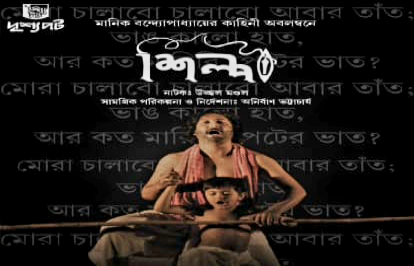
The term “Shilpi” in bengali is referred to an artist. Is art only a medium to earn the livelihood of an artist or it has some faith of responsibility towards the society and the time to come ahead; this question has wandered through the waves of time since the birth of art. Whenever such questions arrived the instinct and moral of an artist has always over shadowed the grey color of regular needs of life and didn’t surrender to ‘Them’ the ‘Principals’ of his art. Such a reference is also found in the last scene of the movie “Jukti Takko Ar Gappo” by Rithik Kumar Ghatak, when Nilkantho was shot down and his last words were,”How can i betray with my art and the people by selling an inferior quality of product by satisfying Bhuban Mahajans?”. Depicting passion, love and the battle of Madon Tati the story “Shilpi” by Manik Bandhopadhay is the subject of Drishyapat’s latest production.
Since a long time the weavers have not been weaving in the village, they are starving but still they won’t weave with an inferior quality of thread provided by Bhuban Mahajan. The leader of weavers is Madon Tati; he silently and helplessly watches the shattering condition of his family were he has a wife of nine months pregnant and other children starving of hunger but still he won’t bow down and weave with such inferior quality of thread. Whatever Madon does is the unwritten law of the village so Madon has the burden of responsibility towards the other villagers, this honour he has received from his ancestors. His wife does not support him in this situation and states his sense of responsibility as Madan’s ego. Madon is put into the horns of the dilemma. The dilemma between need and moral. This dilemma is more triggered by Bhuban Mahajan as he tries to make a deal between inferior quality of thread and a plate of rice in front of the hungry villagers. Can Bhuban Mahajan succeed in his plan? In the mist of darkness suddenly sound of Madon’s weaving machine was heard by the villagers. They got confused as did Madon surrender his principles, did he get dishonest and started weaving with the inferior quality of thread.
No he did not, it was an empty machine operated by Madon just to overcome his joint pain and frustrations. The sound of that empty machine was like a slap on the face of Bhuban Mahajan and on people like Bhuban Mahajan who wants to take over art with money. In this way the battle continues and this path of battle is recognised by Drishyapat in their upcoming production “Shilpi”.
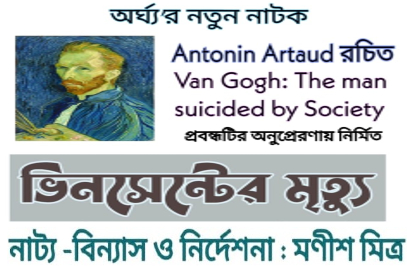
Vincent’er Mrityu (Bengali: “Vincent’s death;” 2023), directed by Manish Mitra and produced by Kasba Arghya, is a musically propelled play that explores and celebrates the short yet brilliant life of eminent Dutch painter, Vincent van Gogh, right until his death in 1890.
Designed as an immersive experience integrating visuals of Van Gogh’s iconic paintings, an ever-present atmosphere of soulful melodies, and a non-linear yet evocative performative approach towards certain key points in the life and artistic journey of Van Gogh, Vincent’er Mrityu attempts to understand the true essence of the complicated painter’s striated life and legacy.
Conceived through surrealistic interpretations of Van Gogh’s distinctive mentalscape, which include striking musical and physical explorations, the play embodies a living document of an artist’s audacious yet sympathetic presence in the face of larger society’s conventional dogma and expectations – a uniquely individual yet undeniably universal experience for both performers and spectators.
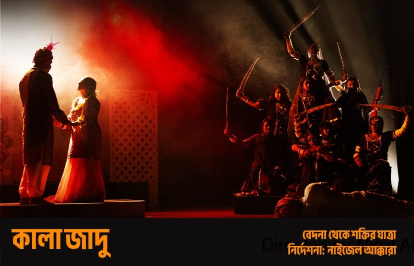
Set against the haunting backdrop of Rajasthan’s desert villages, Kala Jaadu unravels the life of a group of *rudaalis*—women bound by tradition to mourn the dead for others while being denied the right to grieve their own suffering. What begins as their silent endurance of generational bondage transforms into an uprising against the very forces that chained them: the rigid caste hierarchy, the cruelty of child marriage, the silence around female infanticide, and the social stigma that robs widows of dignity.
Through a blend of raw emotion, evocative music, and piercing dialogues, Kala Jaadu traces their journey from shadows of despair to flames of defiance. The rudaalis discover strength in sisterhood, challenging customs that treated them as mere vessels of sorrow. Their rebellion is not only against the oppressive norms but also against the “black magic” (kala jaadu) of fear and silence that kept them shackled for centuries.
A story of pain, resilience, and liberation, Kala Jaadu confronts uncomfortable truths of tradition while celebrating the indomitable spirit of women who dare to rewrite their destiny.
কালা জাদু
লিখেছেন ও পরিচালনা করেছেন নিগীল আকারা
রাজস্থানের মরুভূমির জনপদের বিভীষিকাময় প্রেক্ষাপটে রচিত কালা জাদু, যেখানে উন্মোচিত হয় একদল রুদালির জীবন। এরা সেইসব নারী, যাদের প্রথার বাঁধনে বাধ্য করা হয়েছে অন্যের মৃতদের জন্য শোক প্রকাশ করতে, অথচ নিজেদের বেদনার জন্য তাদের কাঁদার অধিকারও ছিনিয়ে নেওয়া হয়েছে। প্রজন্ম থেকে প্রজন্ম ধরে নীরব দাসত্বের যে বোঝা তারা বহন করেছে, তা এক সময় রূপ নেয় বিদ্রোহে—সেই শক্তিগুলোর বিরুদ্ধে, যারা তাদের শৃঙ্খলিত করেছিল: কঠোর জাতিভেদ প্রথা, বাল্যবিবাহের নির্মমতা, কন্যা হত্যার ভয়ঙ্কর নীরবতা এবং সেই সামাজিক কলঙ্ক, যা বিধবাদের মর্যাদা কেড়ে নেয়।
অকৃত্রিম আবেগ, মর্মস্পর্শী সঙ্গীত এবং তীক্ষ্ণ সংলাপের মিশ্রণে কালা জাদু অন্ধকার হতাশা থেকে প্রতিবাদের শিখায় রুদালিদের যাত্রাপথকে চিত্রিত করে। বোনত্বের বন্ধনে তারা খুঁজে পায় শক্তি, সাহস করে চ্যালেঞ্জ জানায় সেইসব প্রথাকে, যা তাদের কেবল শোকের বাহক হিসেবে বেঁধে রেখেছিল। তাদের বিদ্রোহ শুধু অত্যাচারী রীতিনীতির বিরুদ্ধে নয়, সেই ভয় ও নীরবতার ‘কালো জাদু’-র বিরুদ্ধেও, যা শতাব্দীর পর শতাব্দী তাদের বেঁধে রেখেছিল।
বেদনা, সহনশীলতা ও মুক্তির কাহিনি কালা জাদু। এটি ঐতিহ্যের অস্বস্তিকর সত্যকে সামনে আনে, আর উদযাপন করে সেই অদম্য নারীশক্তিকে, যারা সাহস করে নিজেদের ভাগ্য নতুন করে লেখে।
পশ্চিমবঙ্গ সরকারের অধীন – পশ্চিমবঙ্গ নাট্য আকাদেমির সহায়তায়
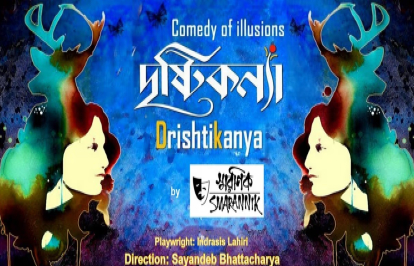
“Drishtikanya depicts a universal truth. The play is a telling account of how truth is often compromised to keep up the pretence of a sophisticated society” – The Hindu
“When a person begins to see people for what they are, conflicts are bound to happen.”-DNA
Inspired from Daphne Du Maurier’s “The Blue Lenses”, DRISHTIKANYA unfolds a comedy of illusions. It revolves around Tamasa, a blind lady who regains her lost eyesight after 8 long years in a cabin of Bright Eye Nursing Home. As the bandages are removed, Tamasa sees everything – or rather, everyone – entirely differently; every human face appears to be that of an animal !
Her apparently loving husband, the caring nurse, her noble father-in-law, everyone has an animal face. Innocently blurting out what she sees, Tamasa becomes a mirror reflecting unpalatable truths to everyone – creating confusion, frustration, drawing ire – all at once.
Many hilarious situations are crafted on stage as the drama slowly progresses revolving around Tamasa’s strange vision and her relationship with each of the characters. But, it takes a sharp turn when Tamasa suddenly starts seeing the doctor’s human face and all the “animals” get together in a conspiracy against her. Did Tamasa’s world fall apart? Will Tamasa be able to see the world and its people as they are? Can the doctor fix her vision to “normal”?
The play brings out the idiosyncrasies of our so-called “sophisticated” society using apt comedies and sharp characters that are bound to trigger questions on faith, liberty, and truth from the clutches of the societal norms.
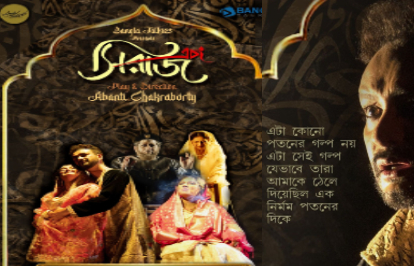
This theatrical exploration reimagines the final hours of Siraj-ud-Daulah—Bengal’s last independent Nawab—through his inner reckoning and his encounters with the five pivotal figures who shaped his rise and fall.
In this intimate retelling, Siraj confronts the loyalty of Meena Begum, the ambition of Ghasseti Begum, the treachery of Mir Zafar, and the unwavering love of Lutfan Nisa Begum.
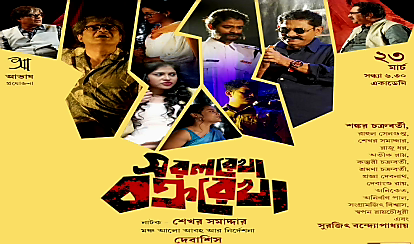
এক ঝড়জলের সন্ধ্যায় প্রখ্যাত লেখক সুপ্রকাশ মিত্র একটা পার্টি থেকে ফেরার পথে তাঁর দরজার গোড়ায় একটি অজ্ঞাতপরিচয় মৃতদেহ দেখতে পান। ভয়ে উৎকণ্ঠায় দেহটিকে লুকোতে যান তিনি ও তাঁর স্ত্রী পারমিতা। সুপ্রকাশের তিন বন্ধু যাদের একজন পুলিশের বড়কর্তা একজন রাজনৈতিক নেতা আর একজন ব্যবসায়ী ঠিক তখনই এসে হাজির হন। ঘটনাটি এমন জটিল হয়ে ওঠে যার জেরে সুপ্রকাশকে পুলিশ গ্রেপ্তার করে। তদন্তের ভার নিয়ে আসেন একজন বিচিত্র গোয়েন্দা রবার্ট রামকৃষ্ণ হালদার। তদন্ত আরো ঘোরালো হয়ে ওঠে যখন সুপ্রকাশ স্বীকারোক্তি দেন যে খুনটা তিনিই করেছেন এবং তিনি জামিন নিতে চান না। যেহেতু মৃতদেহটি কার তা জানা যায় নি তাই তদন্ত আরও জটিল চেহারা নেয় যাতে জড়িয়ে পড়েন তিন বন্ধু, লেখকের স্ত্রী এবং লেখকের এক মহিলা জুনিয়র। প্রচলিত তদন্তের পথে না হেঁটে রবার্ট মনস্তাত্ত্বিক সমীক্ষা শুরু করেন এবং ক্রমে হয়ে ওঠেন সুপ্রকাশের ‘অপর সত্তা’অথবা ‘অলটার ইগো’। এই উদ্ভট এবং বিচিত্র মনস্তাত্ত্বিক থ্রিলারটির লেখক বিশিষ্ট নাট্যকার শেখর সমাদ্দার। সম্পাদনা আর নির্দেশনায় আছেন এই সময়ের সর্বাধিক আলোচিত নির্দেশক দেবাশিস রায়, এবং সুপ্রকাশের চরিত্রে অভিনয় করছেন প্রখ্যাত অভিনেতা সুরজিৎ বন্দ্যোপাধ্যায় আর রবার্ট রামকৃষ্ণের চরিত্র করছেন আর এক বিখ্যাত অভিনেতা শঙ্কর চক্রবর্তী। অন্যান্য চরিত্রে আছেন রাহুল সেনগুপ্ত শেখর সমাদ্দার কস্তুরী চক্রবর্তী শ্রমণা চক্রবর্তী প্রমুখ। প্রযোজনা আভাষ দক্ষিণ কলকাতা।
One stormy evening, renowned writer Suprakash Mitra discovers an unidentified dead body at his doorstep while returning from a party. In a state of fear and anxiety, he and his wife, Parmita, decide to hide the body. At that moment, three of Suprakash’s friends-one a senior police officer, another a political leader, and the third a businessman-arrive at the scene. The situation becomes so complex that Suprakash is arrested by the police. The responsibility of the investigation is taken up by a peculiar detective, Robert Ramkrishna Halder. The investigation becomes even more perplexing when Suprakash confesses that he is the murderer and does not wish to take bail. Since the identity of the deceased remains unknown, the investigation takes a more complicated turn, involving his three friends, his wife, and his female junior. Rather than following traditional investigative methods, Robert starts a psychological analysis, and gradually he becomes Suprakash’s ‘other self’ or ‘alter ego. This bizarre and intriguing psychological thriller has been written by the distinguished playwright Shekhar Samaddar. The editing and direction are handled by the highly acclaimed director of the present time, Debashish Ray, with Suprakash being portrayed by the renowned actor Surajit Bandopadhyay and the role of Robert Ramkrishna played by another famous actor, Shankar Chakraborty. Other actors include Rahul Sengupta, Shekhar Samaddar, Kasturi Chakraborty, Shramona Chakraborty, and others. The production is by Abhash South Kolkata.
A heart-wrenching tale of love that transcends time, Sojan Badiar Ghat by Jasim Uddin is a timeless classic. Set in the village of Shimultali (located in Bangladesh), the description gives us visual imagery of the untapped beauty of rural Bengal.
This literary piece portrays how communal divide caused by upper class influential people creates chaos among fellow farmers. The elite class use religion for their own benefit consequently creating hate, destroying love and life of others.
Sojan and Duli are childhood lovers who are united. Due to the communal riot the once united Hindus and Muslims forced them to separate from each other. Fate plays a cruel hand and they meet again, only to be united through death.
Sojan and Duli’s love story remain synonymous with yearning, pain and suffering and strike a chord in the heart of the people of Bengal.
এ সময় যেখানে প্রচলের নিয়ম মানলে তবে মানুষ সমাজে স্বীকৃত, যেখানে স্বপ্ন দেখা মানা, নিজের শেকল খুলে উড়তে চাওয়া মানা, সেখানে একজন মানুষ বাঁধ ভেঙে দেওয়ার সাহস দেখাবে কী করে? আর যদি সত্যিই সে সাহস একদিন সে পেয়ে যায়, পেয়ে যায় স্বপ্নলোকের চাবি, পেয়ে যায় তার উড়তে পারার ইচ্ছেপুরণের মন্ত্র… তখন কী হয়? কী হয়… যখন সে তার এই উড়তে শিখে যাওয়ার চাবিকাঠি দিয়ে ভেঙে দিতে চাউয় আরও অনেক স্থবির মানুষের শেকল থেকে জং ধরা তালাগুলো? সে কি পারে? এই পৃথিবী কি তাকে তা পারতে দেয়? যেখানে সকলেই খাঁচার পাখি, সেখানে এ পৃথিবী কি কোনও বনের পাখির এ স্পর্ধা মেনে নেয়?
মানুষ বড় একলা। তার পাশে কেউ দাঁড়াক বা না-ই দাঁড়াক, সে তো খোলা আকাশে উড়তেই চায়। এ ওড়ার ফলশ্রুতি কী হবে, সমাজ তাকে মেনে নেবে কি নেবে না, তা নিয়ে তার বিন্দুমাত্র মাথাব্যথা নেই। সে কেবল নিয়মের দাসত্ব থেকে, এই একঘেয়েমির যন্ত্রণা থেকে মুক্তি চায়, সে চায় এই বস্তাপচা প্রাত্যহিকতার চাকা থেমে যাক। শুরু হোক এক নতুন যাত্রা।
এ নাটকের কেন্দ্রীয় চরিত্র গোপীনাথ সামন্ত তেমনই এক স্বপ্নচারী মানুষ। এ সমাজ তাকে হয়ত উন্মাদ বলে, কিন্তু কে না জানে, প্রকৃত স্বপ্নচারীরা, শেকল ভাঙতে চাওয়া মানুষেরা আসলে তো একরকম উন্মাদই হয়। তার অস্তিত্বে সে বন্দী, কিন্তু তার সত্বায় সে স্বাধীন। গোপীনাথ এ জীবনে পার্থিবভাবে, হারিয়েছে অনেক কিছু, পায়নি আরও বেশি… কিন্তু যে আকাশের সন্ধান সে পেয়েছে, তাতেই তার মুক্তি। কৌশিক চট্টোপাধ্যায়ের এ নাটক সেই স্বপ্নের কথা বলে।
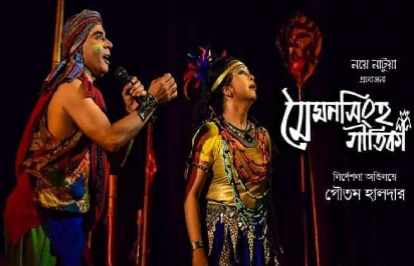
Maimansingha Gitika মৈমনসিংহ গীতিকা, is a collection of Bengali folk ballads originating from the eastern part of Mymensingh (Bangladesh)
The ballads of Moimonsingha Geetika belong to a matriarchal society. Some of the characteristics of the matriarchal society are – choosing a husband, freedom of love, and marrying in old age. Love in this society is like a divine wild flower which the vices of city life cannot destroy. In this society, selecting one’s partner is valued over marriage.
This folk literature is like the history of mankind. The ballad starts with a beautiful secular form. Far in the north is Gara Mountain. There lives a Brahmin with his six-month old daughter. The leader of a gypsy group Hoomra steals (kidnaps) the beautiful child one night. When the girl turns sixteen she falls in love with the prince Nader Chand. Hoomra does not like this love affair and ordered Mahua to kill Nader Chand. But Mahua kills herself instead of killing her husband. Afterwards the Gypsy Group killed Nader Chand. In Bengals folk literature Mahua (A ballad of Moimonsingha Geetika) has been representing womanhood of our society.