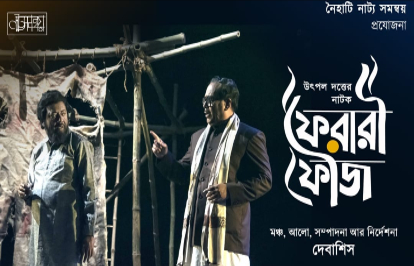
Utpal Dutt authored this play inspired by Premendra Mitra’s poem. In the play’s introduction, Utpal Dutt writes, “This play attempts to capture the fiery spirit of East Bengal’s youth in the early thirties.”
Set against the backdrop of the revolutionary movement for Indian independence and portrays the turbulent era in Bengal, highlighting the fearless youth who challenged British rule.
This play is a poignant narrative of ordinary individuals, including women who defied societal norms, standing alongside these young men in their struggle for freedom.Set against the backdrop of the revolutionary movement for Indian independence, it narrates the tale of some Indian revolutionaries who form an uprising against the British colonialism in India.
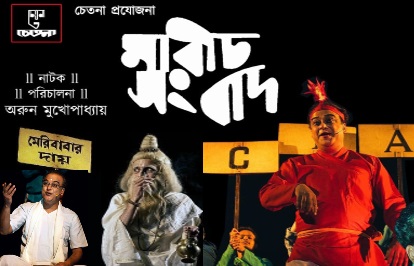
Mareech Sangbad revolves around the life of Mareech, who was relative of demon king Ravana. Mareech abandoned all the worldly pleasure in pursuit of spiritual happiness, but submits to the patriotic and religious exhortations of Ravana thus participating in what he considers to be an unjust war, leading to tragic results.This play recreates the same story set in the modern world.
The good tradition has it; a section of the people is won over by the ruling class and kept contented, as long of course it does not outlive its unity for the lather’s purpose. The urge for freedom or the aspiration for a wholesome life of the people has no relevance to the scheme of the ruling class. Mareech got a fresh lease of the life through the grace of Ravana, the King of Lanka. Therefore, Mareech had a play a phantom deer and then had to lay down his life in the service of Ravana.
The legend of Mareech is being lived throughout the history. For example, Gregory of America and Iswar of Bengal, Gregory choses the way of self-annihilation, otherwise he would have been a part of the American drama in Vietnam. Ishwar had to betray his class because his father and he happened to be in the good book of his landlord. Iswar however fought back and recovered his class instinct.
The magician in playing his tricks. Characters from the legend and from the history are all assembled. In this game pivoting round the story of Mareech, it is foredoomed that all will be destroyed but Iswar revolts, so does Gregory. Even Mareech follows suit. The bewildered magician invokes Valmiki, the author of Ramayana, who has to rush up to manage.
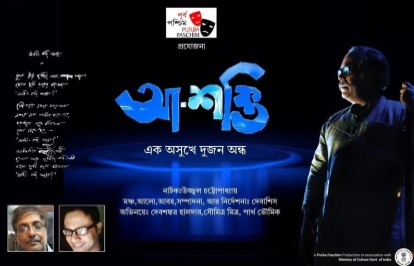
শক্তি চট্টোপাধ্যায়কে কেন্দ্র করে এই নাটক কেবল একজন কবির জীবনকথা নয়; এটি এক যুগের অন্তরযাত্রা, এক আত্মার অনুসন্ধান, এক সংগ্রামী নিঃসঙ্গতার নাট্যদর্শন। এখানে মূল চরিত্র শুধু শক্তি নন—এখানে চরিত্র হয়ে ওঠে সময়, কবিতা, বন্ধুত্ব, আড্ডা, পথ, নদী, বন, বেদনা এবং প্রত্যাবর্তন।
শক্তি ছিলেন বাংলা কবিতার এমন এক আলোকস্তম্ভ, যিনি কোনো প্রতিষ্ঠানের কবি নন, কোনো মতবাদ বা আন্দোলনের মুখপাত্র নন। তিনি ছিলেন সরাসরি জীবনের কবি—খুব সহজ, খুব প্রগাঢ়, খুব মানবিক। তাঁর কবিতা ছিল এক অদৃশ্য নদীর মতো—যেখানে শব্দের উপরে ভেসে থাকে বেদনা, নিঃশব্দতা, আলো, অন্ধকার ও গভীর মানবিকতা।
যে মানুষটি প্রকাশ্যে ছিলেন উদাসীন, নিরাসক্ত, অনিয়ন্ত্রিত—তার ভেতরেই বয়ে যাচ্ছিল তীব্রতম উপলব্ধি। এই নাটকে চেষ্টা করা হয়েছে শক্তিকে ব্যাখ্যা না করে তাকে অনুভব করতে – কলকাতা ও বহড়ুর হাত ধরে ।
উজ্জ্বল চট্টোপাধ্যায় লিখেছেন এই নাট্য। নাটকটি জীবনীর পুনরাবৃত্তি নয়—এটি তাঁর জীবনবোধের পুনর্নির্মাণ। তাঁর কবিতার ভাষা, তাঁর নীরবতা, তাঁর বন্ধুদের সঙ্গে কাটানো সময়—সব মিলিয়ে তৈরি হয়েছে এক আবহ, যা মানুষের মনের গভীরে অনুরণন তোলে। নাটকে আমরা দেখেছি কবির সঙ্গে সঙ্গে মানুষ শক্তিকে—যিনি কখনো প্রশ্ন, কখনো উত্তরহীন, কখনো আত্মবিস্মৃত অথচ আশ্চর্যভাবে আলোকিত। তাঁর কবিতার মতোই তাঁর চরিত্র—সরল অথচ দুর্বোধ্য, নিভৃত অথচ ভীষণ স্পষ্ট।
আজকের ভাঙাচোরা পৃথিবীতে ফিরে তাকালে আমরা দেখতে পাই—শক্তির ফেরা কোনো গ্রামে নয়, কোনো নির্দিষ্ট ঠিকানায় নয়; তাঁর ফেরা আসলে মানুষের দিকে, আত্মার দিকে, অস্তিত্বের দিকে।
“আমি ফিরে যাবো…”—এই উচ্চারণ তাই কেবল কোনো স্মৃতি বা লোকালয়ে নয়; তা আসলে এক চিরন্তন মানবিকতার আহ্বান। এই নাটকের মঞ্চ, দৃশ্য, সুর এবং নীরবতায় নির্দেশক সেই প্রত্যাবর্তনকে দৃশ্যমান করার চেষ্টা করেছেন ।এখানে সংলাপের মতোই গুরুত্বপূর্ণ নীরবতা। এখানে আলোর মতোই গুরুত্বপূর্ণ ছায়া। আমাদের নির্দেশক দেবাশিস রায় গভীর মগ্নতায় এই আলো ছায়া আর কবির জীবনকে সৃজন করেছেন তাঁর নিবিষ্ট দক্ষতায়। এবং সম্পাদনা করেছেন এই নাট্য সময়ের অনুসারী হয়ে।
শেষে, গভীর কৃতজ্ঞতা জানাই তাঁদের, যারা শক্তিকে আজও বাঁচিয়ে রেখেছেন; তাঁর কবিতার পাঠক, শ্রোতা, আধুনিক মননের তরুণ মানস—এবং সকল সেই মানুষদের, যারা বিশ্বাস করেন— আর কৃতজ্ঞতা দেবশঙ্কর হালদার মঞ্চের নিভৃত প্রাণের দেবতা হয়ে আশ্চর্য ম্যাজিক দেখালেন …যেন শক্তি ভর করলো তাঁর ওপর! পার্থ ভৌমিক সাংসদ, কিন্তু অভিনয় তাঁর মননে , কলকাতা চরিত্রে তাঁর অভিনয়ের অভিঘাত আমাদের মুগ্ধ করে -আর পাশাপাশি পূর্ব পশ্চিম দলের অভিনেতা ও দেবাশিসের ছাত্ররা এই নাট্যের কলস ভরিয়ে আপ্লুত করেছেন।
একজন কবির জীবন নিখুঁত নয়, কিন্তু অনিবার্য। আমাদের আ – শক্তিও তাই …আপনাদের দরজায় অবনীকে সঙ্গে নিয়ে কড়া নাড়ছে!
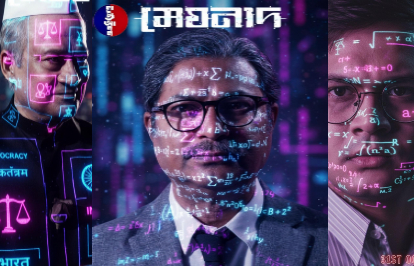
‘MEGHNAD’ is based on the forgotten pioneer of Indian Science Revolution
তিনি লড়েছিলেন জাতি বৈষম্যের বিরুদ্ধে। লড়েছিলেন কুসংস্কার ও বিভাজনের বিরুদ্ধে। তাঁর হাতিয়ার ছিলো বিজ্ঞান।
ভারতবর্ষে নিউক্লিয়ার গবেষণার পথিকৃৎ। আধুনিক ভারতবর্ষের এক অন্যতম কারিগর। বিশ্ব বরেণ্য তাত্ত্বিক পদার্থবিজ্ঞানী ও জ্যোতির্বিজ্ঞানী শ্রী মেঘনাদ সাহা-র জীবন, কাজ ও ভাবনা অবলম্বনে নাট্যআনন-এর নতুন নাটক ‘মেঘনাদ’।
He fought against caste based discrimination. He fought against orthodox beliefs and divisive politics. His weapon was science.
The pioneer of Nuclear research in India. One of the greatest figures who shaped modern India. Renowned astrophysicist and scientist Meghnad Saha.
‘MEGHNAD’ is based on this exceptional man’s life, works, thoughts and times.
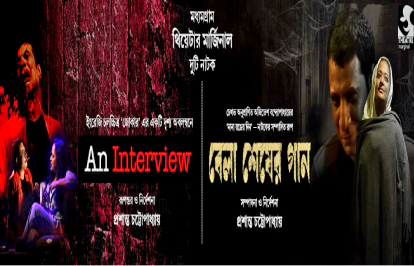
Theme: At a time when the entire city is in turmoil over the murder of three young men, a character named “Joker” appears as a guest on the popular talk show hosted by Ranjana Roy. During the course of the interview, he openly confesses that he has killed the three youths, stating that he did so simply because he enjoyed it. Joker offers a disturbing new definition of “fun,” and the interview takes an unexpected and intense turn.
BELASHESHER GAAN
Playwright & Director: Prasanta Chattopadhyay
Theme: Inspired by Ajitesh Bandyopadhyay’s play “Nana Ranger Din,” “Belashesh-er Gaan” unfolds its narrative as follows: After performing the role of the “Joker” in a theatre production, the renowned elderly actor Yamini Chatterjee falls asleep in the green room once the show is over. Late at night, he awakens to find himself alone on the empty stage of a dark auditorium. That night, he encounters an ageing actress who has been forgotten by the theatre but continues to live within it. Despite their contrasting social positions, a deep bond forms between the two actors, reflecting the twilight phase of commercial theatre.
Hobbies are for everyone, but when a hobby turns into an addiction, that’s when trouble begins.
When the occasional consumption of Lord Shiva’s Jarda-Paan and Mother Durga’s Spiced-Tea turns into an addiction, that’s when chaos begins on Kailash.
This chaos escalated into a prestige fight when the duo, who are devotees, coincidentally dealing in tea and paan respectively, take refuge in Lord Shiva and Goddess Durga to resolve their own problems.
This play tells the story of the efforts of Brahma, Yamraj, Menaka, Nandi and Bhringi to save creation from sinking into turmoil.
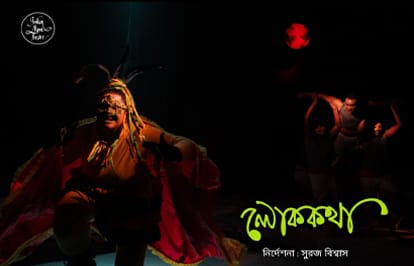
একটি খুবই সাধারণ ছেলে তার দিদিমার সঙ্গে থাকে, গাছ কেটে কাঠ বিক্রি করে তাদের সংসার চালায়। একদিন জঙ্গলে কাঠ কেটে ফেরার সময় এক ভূতের সঙ্গে লড়াইয়ে ভূতের শাল ও এক পায়ের নুপূর নিয়ে সে পালিয়ে এসে দিদিমাকে দেয়। সুদৃশ্য সেই শাল ওই দেশের রাজকুমারীর নজরে পড়ে। রাজ্যের মন্ত্রী দিদার কাছ থেকে সেই শাল আদায় করতে না পারায়, স্বয়ং রাজা আসেন দিদার বাড়িতে। নাতির সঙ্গে রাজকুমারীর বিয়ে দিতে হবে, এই শর্তে দিদা রাজাকে শাল দিতে রাজি হন। নানা টালবাহানার পর রাজকুমারীর সাথে ছেলেটির বিয়ে হয়। বিয়ের রাতে ছেলেটি ভূতের থেকে পাওয়া এক পায়ের নূপুরটি রাজকুমারীকে দিতেই রাজকুমারী অন্য পায়ের নুপূরটির লোভে ফিরে যেতে চায় জঙ্গলে। ভূতের সঙ্গে আবার লড়াই করে যখন শাল এবং দু-পায়ের নুপূর ছিনিয়ে রাজকুমারী পরে নেয়, তখন মুক্তি পায় ভূতটি, রাজকুমারী পরিবর্তিত হয় ভূতে। জানা যায়, আবার যতক্ষণ না কেউ লোভে পড়ে রাজকুমারীর থেকে জিনিসগুলো নিয়ে নেবে, ততদিন রাজকুমারীর মুক্তি নেই!
The Indian Mime Theatre’s latest full-length production, “Lokokatha,” draws inspiration from a folklore of Chattisgarh. This captivating performance is directed by Suroj Biswas. This is the tale of a humble young boy, who resides with his grandmother and makes ends meet by venturing into the forest to cut wood and sell them. During one fateful day, as he gathered wood in the heart of the dense forest he found himself face-to-face with a ghostly presence/ghost. In a daring move, he seized the ghost’s shawl/cloak and one of the anklets from the pair she was wearing. He lovingly presented the shawl/cloak to his dear grandmother. However, when the princesses of the land caught sight of the exquisite cloak, she instantly coveted it. The grandmother agreed to part with it under one condition: the princess must agree to marry her grandson. On their wedding night, the young man presented the princess with the anklet he had from the pair. She immediately expressed her longing to possess the other one. Together, they resolved to embark on a journey deep into the forest once more, confronting the ghost and obtaining the other piece of the anklet. The moment the princess adorned the shawl/cloak along with both anklets, a transformation took place, turning her into the same ghost. It was then that they discovered the grim truth: unless someone else, driven by greed, were to snatch these items from her once more, she would remain trapped in the ghostly curse.
On Stage: Shamita Chakrabarti, Madhurima Goswami, Amit Halder, Kallol Dey, Satakshi Nandy, Suroj Biswas, Enak Biswas, Sourav Biswas, Arijit Pyne, Dipjyoti Mondal, Arka Chakrabarty, Siddhartha Barman
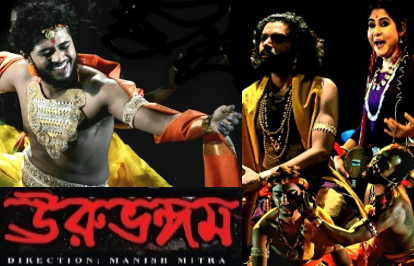
The play Urubhangam is a landmark in the history of theatre of the country.
Based on play by the same name, the play actually is a 6 hour long concised Mahabharat. This is perhaps for the first time in the theatre history of the country that people have gathered in numbers to see the play overnight.
Manish Mitra had worked on different texts of Mahabharata, the fictions and novels, verses and also the traditional and oral and folk theatres existing in different parts of the country centering around the Mahabharata.
Urubhangam celebrates life and it is an epic celebration
কলকাতার আনাচে কানাচে এখনো লুকিয়ে আছে পুরোনো পুরোনো গন্ধ আর কিছু ফেলে আসা বন্ধুত্ব । এই নাটকও সেই পুরোনো কলকাতার বন্ধুত্ব প্রেম আর তার সাথে জড়িয়ে থাকা মান অভিমান রাজনীতি পারিপার্শ্বিক উত্থান পতনের কাহিনি । দক্ষিণ কলকাতার কলোনি পাড়ার ৪ বন্ধু সোমা, টুবাই, বুবান এবং তাতিন ।
৯০-এর দশকে তাদের বেড়ে ওঠা। কলোনির আন্তরিকতা, প্রতিটা পরিবারের একসাথে মিলেমিশে দিন যাপন , বিপদে আপদে পাশে থাকার শিক্ষায় তারা শিক্ষিত ।
সময় এগোতে থাকে বড় হয়ে ওঠার সাথে সাথে তাদের মানা-না মানা, বিশ্বাস-অবিশ্বাস, রাজনৈতিক, সামাজিক মতাদর্শ যেন দূরে ঠেলতে শুরু করে ছোটবেলার বন্ধুদের একে অপরের থেকে। শেষে আবার কোনো এক পাড়ার চায়ের দোকানে এক হতে পারবে তারা? নাকি যে জানলাগুলোর আকাশ ছিলো, তাদের পাল্লা গুলো চিরতরে বন্ধই থেকে যাবে?
A city steeped in nostalgia and matured in the heritage of poetry and revolution, our play has its inception in its street corners. A tale which is inseminated in the heady brew of friendship, romance, heartbreaks, and the political ebbs and flows, the magical amniotic fluid that is our Calcutta.
Our story sets off in the 90s,in the southern corner of The City. A narrative that pivots around four friends; Soma, Tubai, Buban and Tatin. Their growing up, their dreams, beliefs and aspirations. How they evolve through the adventures revolving around their intertwined lives in the colony they lived in. How time in its ruthlessness, and how, the development of their own political and moral ideologies put their friendship to test.
Will they be able to come together as one again, meet at the same old haunts where they once left each other. Will they be able to open those windows again; the ones that gave them the access to wide blue yonder.